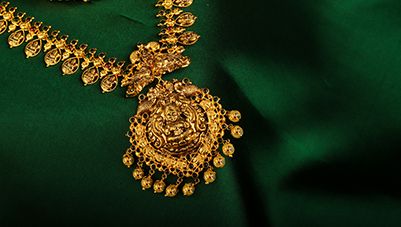
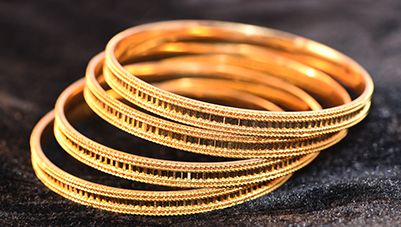
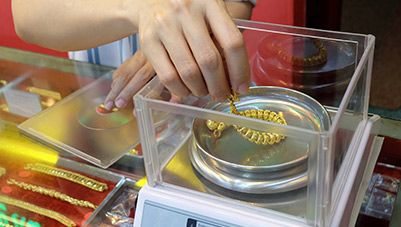
Gold holds significant cultural and financial importance in India, serving both as a precious metal and a financial asset. Gold karats denote the purity of gold, with 24 karats being pure gold. In India, gold is often used as collateral for loans, known as gold loans. These loans are popular due to gold's liquidity and stable value. Financial institutions and banks accept gold ornaments or coins as collateral against which they provide loans at competitive interest rates. The loan amount typically ranges from a percentage of the gold's value, ensuring quick access to funds without extensive documentation or credit checks. Gold loans play a crucial role in meeting short-term financial needs, especially in rural areas where access to formal banking services may be limited. As a result, gold continues to be not only a cultural symbol but also a practical financial resource for many in India.


Different types of gold karat

Gold has been priced for thousands of years because of its inherent beauty, brilliance, and adaptability. Because of these characteristics, it is the most significant metal in jewellery-making. When purchasing gold jewellery, you have a variety of gold hue, plating, and carat options to choose from. The first item you ought to consider is the carat.

The carat system ranges from 24K, representing pure gold, to lower values indicating a higher percentage of other metals. Each type of gold, whether it’s 24K, 22K, 18K, or 14K, has its unique characteristics and applications.

24K gold, being the purest form, is priced for its rich colour but is too soft for everyday wear. On the other hand, 14K gold, popular for its durability and affordability, contains only 58.3% gold.

By searching for the karat mark, which is typically represented by a "K," you can tell what kind of jewellery is made of gold. The karat mark denotes the amount of gold that is contained in the jewellery.


10 Carat Gold

10 Carat Gold, also known as 10K Gold, is a type of gold alloy that contains 41.67% gold and 58.33% other metals. The term ‘carat’ is a unit of measurement denoting the purity of gold, with 24 carats representing pure gold. Therefore, 10-carat gold signifies that there are 10 parts of gold to 14 parts of other metals.

The other metals typically include copper, zinc, and nickel. These additional metals enhance the hardness of the gold, making 10K gold more durable than higher-karat gold. This increased durability makes 10K gold a popular choice for everyday jewellery that can withstand wear and tear.

However, the lower gold content in 10K gold gives it a paler yellow colour that is less vibrant compared to 14K or 18K gold. In terms of fineness, which measures the gold content in parts of a thousand, 10K gold equates to 416 fineness. This means it is 41.6% gold when expressed as a percentage.


12 Carat gold

12-carat Gold, often referred to as 12K Gold, is a type of gold alloy that contains exactly 50% gold and 50% other metals. The term ‘carat’ is a measure of gold’s purity, with 24 carats signifying pure gold. Therefore, 12-carat gold indicates that there are 12 parts of gold to 12 parts of other metals.

The other metals in 12K gold typically include copper, zinc, and nickel. These additional metals enhance the hardness and durability of the gold, making 12K gold more resistant to wear and tear compared to higher-karat golds. This increased durability, coupled with its affordability, makes 12K gold a practical choice for many jewellery buyers.

However, the lower gold content in 12K gold gives it a paler yellow colour that is less vibrant compared to higher-karat golds like 14K or 18K.


14 Carat gold

The gold in 14K, which is both beautiful and durable, is a good example of the alloying process. With 41.7% of other metals, such as copper and silver, and 58.3% pure gold, this carat strikes a pleasant equilibrium. The metal blend is a favoured material for making classic pieces like heritage jewellery and engagement rings because of its durability. Alloys enable jewellery to withstand normal wear and tear while retaining its unquestionable allure of gold.


18 Carat Gold

The 75% increase in gold content in 18K gold embodies a stunning harmony between hardness and purity. This specific carat range is well-liked for crafting exquisite jewellery that exudes ruggedness and luxury since it emanates a lovely brightness. Its strength is derived from the alloy mix without detracting from its natural beauty, and the higher proportion of gold makes the colour richer and warmer. 18K gold is exceptional at striking the right mix between fineness and durability.


20 Carat Gold

20 Carat Gold, or 20K Gold, contains 83.33% gold and 16.67% other metals. The ‘carat’ denotes gold’s purity, with 24 carats being pure gold. The additional metals in 20K gold, typically copper, zinc, and nickel, enhance its hardness and durability. However, 20K gold has a paler yellow colour compared to higher-karat golds. In terms of fineness, 20K gold equates to 833 fineness, meaning it is 83.3% gold. Despite its balance between affordability, durability, and gold content, 20K gold is not as popular today, likely due to its significant gold content and higher price compared to 18K gold.


22 Carat Gold

22K gold embodies tradition and artistry, with 91.7% pure gold encased in a mixture of alloy additions. It is frequently shown in elaborate necklaces, bangles, and other pieces that honour history thanks to its malleability and bright tone, which serve as a canvas for complex designs and cultural symbols. The alloy additions make the jewellery more resilient and long-lasting, even though they somewhat reduce the overall purity. This makes the jewellery both a wearable piece of art and a masterwork of craftsmanship.


24 Carat Gold

The ultimate in purity, 24K gold radiates a distinctive warm, rich colour and is 99.9% pure gold. Although its softness may make it unsuitable for use in ornate jewellery, it is still the most sought-after commodity when it comes to precious and valuable investments. 24K gold is a mark of distinction and a sought-after commodity for investors who wish to understand the essence of gold's inherent brightness


Know more:

Why is gold price increasing

Purity and impurity: Understanding the gold carat range

Remember at all times that hardness and purity dance together as we navigate the maze of gold carats. Larger carats correspond with purer gold, but this also highlights the metal's softer side. Conversely, lower-carat gold retains the strength of alloys, ensuring resilience without compromising brightness. The outcome of a dance of components is jewellery with individuality; these pieces endure in terms of both shape and emotion.


The purity, composition, and salient features of each gold carat are listed in the table below

Carat

Purity (%)

Alloy Composition

Notable Characteristics

14K

58.3

Copper, Silver

Durability, Ideal for daily wear

18K

75

Copper, Silver

The balance between purity and durability

22K

91.7

Alloy Additives

Radiant hue, Suitable for intricate designs

24K

99.9

Pure Gold

Ultimate purity, Ideal for investment

How gold carat affects gold loan value

Gold loans are secured loans where gold ornaments are used as collateral. The loan amount is determined by the value of the gold, which is influenced by its carat. Carat measures the purity of gold, with 24 carats being the highest quality. A higher carat value indicates greater purity, leading to a larger loan amount.

Gold loans are preferred for their swift processing, minimal documentation, and alleviation of credit score concerns. They can be used for various needs like education, medical emergencies, or business expansion.

Gold loan Interest rates are relatively lower than other loans, ranging from 8.75% p.a. to 26% p.a. These rates can vary based on factors like the lender, loan tenure, and fluctuations in gold prices. It’s crucial to compare the rates offered by various lenders to secure the most favourable terms.


Factors influencing loan amount based on gold carat

Gold loans are a popular form of credit in many countries, offering quick access to funds by leveraging the value of gold. However, the loan amount one can secure is influenced by several factors related to the gold’s carat and other considerations.

  1. Gold’s purity and weight: The primary factor is the purity and weight of the gold pledged. The gold should be of 18 carats or above.
  2. Market value of gold: The current market value of gold is critical. Fluctuations in the market price directly impact the baseline value of the gold loan.
  3. Income of the borrower: The borrower’s monthly income is also considered while processing a gold loan request.
  4. Credit score: The borrower’s credit score can affect the interest rate, which indirectly influences the loan amount.
  5. Loan tenure: The amount and tenure of the loan also influence the interest rate, affecting the loan amount.

While the carat of gold is a significant factor, it’s not the only one. Other elements like the borrower’s income, credit score, and the current market value of gold also play a crucial role. Therefore, it’s advisable to understand these factors and check the specific terms and conditions before applying for a gold loan.


Tips for getting the best gold loan based on carat quality

Gold loans are a popular form of credit in many countries, offering quick access to funds by leveraging the value of gold. However, the loan amount one can secure is influenced by several factors related to the gold’s carat and other considerations.

  1.  Gold’s purity and weight: The primary factor is the purity and weight of the gold pledged. The gold should be of 18 carats or above.
  2. Market value of gold: The current market value of gold is critical. Fluctuations in the market price directly impact the baseline value of the gold loan.
  3. Income of the borrower: The borrower’s monthly income is also considered while processing a gold loan request.
  4. Credit score: The borrower’s credit score can affect the interest rate, which indirectly influences the loan amount.
  5. Loan tenure: The amount and tenure of the loan also influence the interest rate, affecting the loan amount.
  6. Processing fee and appraiser charges: Banks may charge a processing fee and appraiser charges, which could affect the final loan amount.


Tips for getting the best gold loan based on carat quality

Securing a gold loan can be an effective way to meet immediate financial needs. However, the quality of the gold, measured in carats, plays a significant role in determining the loan amount. Here are some tips to get the best gold loan based on carat quality:

  1. Check gold purity: Ensure your gold is of high purity, ideally 18 carats or above. Higher carat gold attracts better loan terms.
  2. Compare interest rates: Different lenders offer varying interest rates. Research and compare these rates to find the most competitive one.
  3. Understand per gram rate and loan-to-value ratio: The loan amount is based on the per-gram rate of gold at the time of the loan. The Reserve Bank of India allows lenders to offer up to 75% of the gold’s value as a loan.
  4. Choose the right repayment method: Select a repayment option that suits your financial situation.
  5. Negotiate processing fees: Some lenders may charge processing fees. It’s advisable to negotiate these fees to reduce the overall cost of the loan.


Conclusion

In conclusion, while the carat quality of gold is a crucial factor in securing a gold loan, other factors such as interest rates, repayment methods, and processing fees also play a significant role. By considering these tips, borrowers can ensure they secure the best possible terms for their gold loan.

Your Gold Loan Requirement

Loans for personal needs

Personal Loan image

Personal Loan

Home Loan image

Home Loan

Two-wheeler Loan image

Two-wheeler Loan

New Car Finance image

New Car Finance

Used Car Loan image

Used Car Loan

Car Loan Balance Transfer image

Car Loan Balance Transfer

Loan Against Property image

Loan Against Property

Loan Against Shares image

Loan Against Shares

Loan Against Mutual Funds image

Loan Against Mutual Funds

Loan Against Bonds image

Loan Against Bonds

Loan Against Insurance Policy image

Loan Against Insurance Policy

Loan Against Fixed Deposit image

Loan Against Fixed Deposit

Margin Trading Finance image

Margin Trading Finance

View More View Less

Disclaimer

1. Bajaj Finance Limited (“BFL”) is a Non-Banking Finance Company (BAJAJ FINANCE) and Prepaid Payment Instrument Issuer offering financial services viz., loans, deposits, Bajaj Pay Wallet, Bajaj Pay UPI, bill payments and third-party wealth management products. The details mentioned in the respective product/ service document shall prevail in case of any inconsistency with respect to the information referring to BFL products and services on this page.

2. All other information, such as, the images, facts, statistics etc. (“information”) that are in addition to the details mentioned in the BFL’s product/ service document and which are being displayed on this page only depicts the summary of the information sourced from the public domain. The said information is neither owned by BFL nor it is to the exclusive knowledge of BFL. There may be inadvertent inaccuracies or typographical errors or delays in updating the said information. Hence, users are advised to independently exercise diligence by verifying complete information, including by consulting experts, if any. Users shall be the sole owner of the decision taken, if any, about suitability of the same. 

Frequently asked questions

What does each carat number signify in a gold carat list?

In gold, each carat signifies its purity. Pure gold is 24 carats, meaning it’s 100% gold. However, it’s too soft for practical use, so it’s often alloyed with other metals. For example, 18K gold is 18 parts gold and 6 parts other metals, making it 75% gold. The higher the carat, the purer and more valuable the gold, but also the softer it is. So, the carat number in a gold carat list represents the ratio of gold to other metals in the alloy.

Which type of gold karat is the most popular

The most popular type of gold karat is 14K gold. It’s made from a mixture of 58.3% pure gold and 41.7% other metals. While it’s not as bright as 18K gold, 14K gold is stronger and more affordable. A 14K gold ring can cost 30% to 60% less than an 18K gold ring. It’s durable enough to withstand everyday wear, making it a popular choice for jewellery.

Does the type of gold karat affect the colour of the jewellery

Yes, the type of gold karat does affect the colour of the jewellery. The colour of gold is determined by the composition of the gold alloy, which is a mixture of pure gold and other metals. For example, adding copper to gold creates a rose or pink colour, while silver or palladium can create a white gold colour. Higher-karat gold contains more pure gold, which intensifies the yellow hue. So, the karat and the type of alloying metals both play a pivotal role in the final colour of a gold piece.

What is a gold carat list?

A gold carat list is a guide that details the purity of gold in terms of carats. Pure gold is 24 carats, meaning it’s 100% gold. However, gold is often alloyed with other metals for practical use, resulting in different carat values. For instance, 18K gold is 75% gold and 25% other metals. The carat number signifies the ratio of gold to other metals in the alloy. Therefore, a gold carat list provides information about the purity of gold, helping consumers understand the quality and value of gold jewellery.

Show More Show Less

Related articles

How do fluctuations in gold prices impact your gold loan 1

How do fluctuations in gold prices impact your gold loan?

Apr 20, 2023

Article 2

Benefits of Buying Gold Coin

Feb 10, 2025

What is the impact of gold rate on gold loan 3

What is the impact of the price of gold on your Gold Loan

Nov 03, 2023

Article 4

What is Gold Purity

Oct 23, 2024

More Videos

Online title of gold loan


Online title of gold loan

How to check your gold loan details


How to check your gold loan details

Features and benefits of Gold Loan Balance Transfer


Features and benefits of Gold Loan Balance Transfer

Features and benefits of our gold loan


Features and benefits of our gold loan

You are here

  1. Home
  2. Understanding Different Types of Gold karat

Related links

  • On what kind of gold asset can I get a loan
  • How is your gold loan amount decided

 Bajaj Finserv App for All Your Financial Needs and Goals

Trusted by 50 million+ customers in India, Bajaj Finserv App is a one-stop solution for all your financial needs and goals.

You can use the Bajaj Finserv App to:

  • Apply for loans online, such as Instant Personal Loan, Home Loan, Business Loan, Gold Loan, and more.
  • Explore and apply for co-branded credit cards online.
  • Invest in fixed deposits and mutual funds on the app.
  • Choose from multiple insurance for your health, motor and even pocket insurance, from various insurance providers.
  • Pay and manage your bills and recharges using the BBPS platform. Use Bajaj Pay and Bajaj Wallet for quick and simple money transfers and transactions.
  • Apply for Insta EMI Card and get a pre-approved limit on the app. Explore over 1 million products on the app that can be purchased from a partner store on Easy EMIs.
  • Shop from over 100+ brand partners that offer a diverse range of products and services.
  • Use specialised tools like EMI calculators, SIP Calculators.
  • Check your credit score, download loan statements and even get quick customer support—all on the app.

Download the Bajaj Finserv App today and experience the convenience of managing your finances on one app.

Download app image

Download App

Now request money from your friends and family and make instant payments.

Download App QR code
  • Make instant payments using with the Bajaj Pay UPI
  • Earn instant cashback on bill payments
  • Collect and redeem Bajaj Coins